
Addressable fire alarm systems
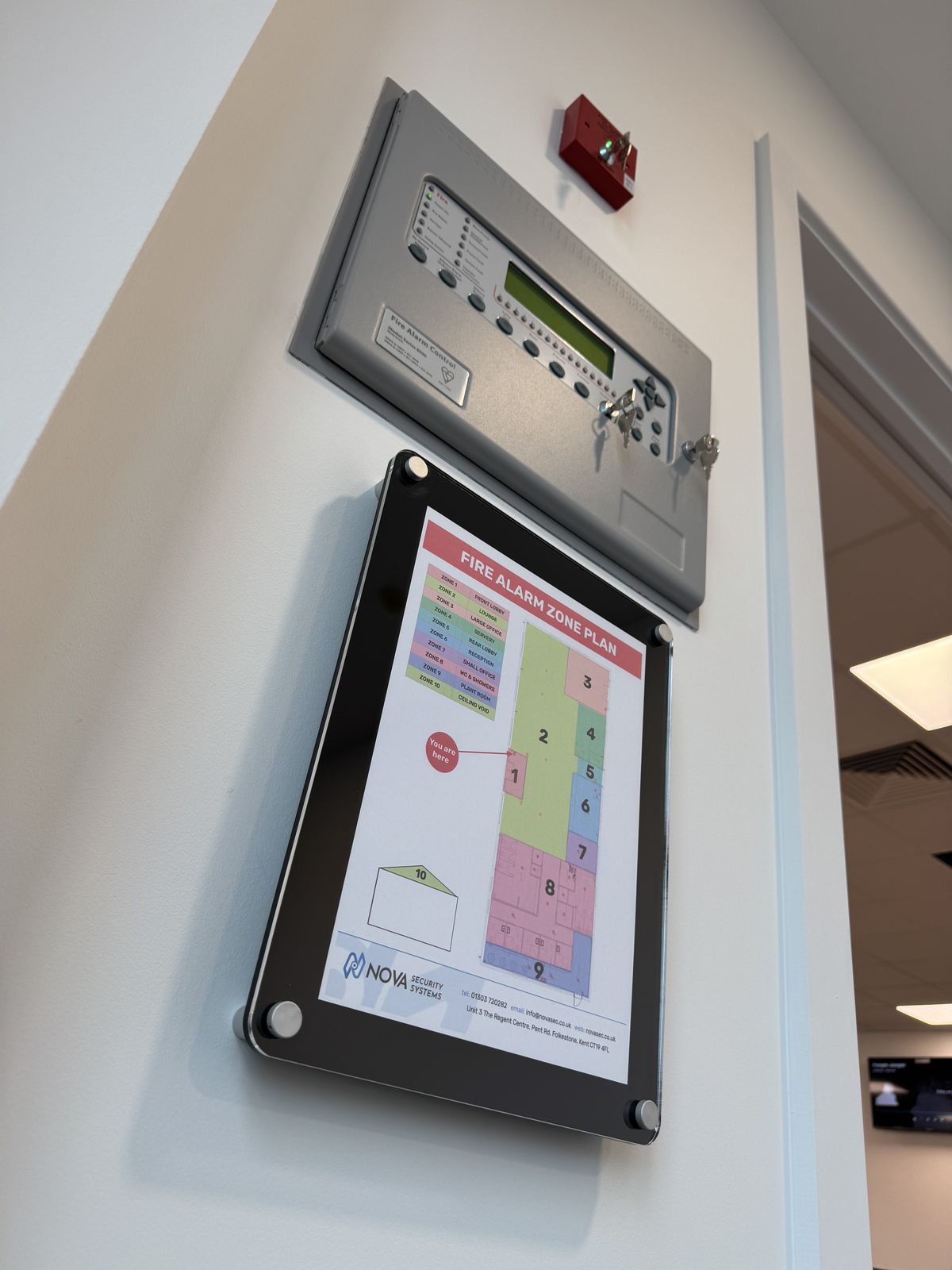
Hardwired analogue addressable fire alarms show the exact device that has operated, not just a zone. Advanced and Kentec are our go-to panels: British-made, multi-protocol and built to last, and we’re a Kentec Installation Partner (KIP). Designed to BS 5839-1:2025, installed by us, and maintained for the life of the building.
 Written by Ricky Shaw, Technical Director. Last reviewed 3 October 2026.
- BAFE SP203-1
- Registered No. 303674
- Modules held
- All four: design to maintenance
- Certification body
- NSI (Fire Silver)
- Designed to
- BS 5839-1:2025
- Google reviews
- 120+ five-star
How an analogue addressable system works
- Every device has its own address. Each detector, call point, sounder and module is identified on the panel, with a description such as “First floor, office 3”. When the alarm operates, you go straight to the right place.
- The panel reads every detector. Detectors send a reading back rather than just “fire” or “no fire”, so the panel can compensate for dirt and drift, and warn you when a detector needs cleaning or replacing.
- Wired in a loop. Devices are connected on a loop of fire-resisting cable that starts and ends at the panel, with isolators along it, so a single break or short doesn’t take out the whole loop.
- Loop-powered sounders and beacons, so fewer separate cable runs are needed.
- Cause and effect you can program. Phased or staged evacuation, investigation delays, door releases, plant and ventilation shutdown, lift recall and signals to an alarm receiving centre.
- Networked panels and repeaters for large or multi-building sites, so the whole site can be seen and controlled from more than one place.
- Standby batteries sized for the load. We calculate the batteries for every panel to BS 5839-1. Try it yourself with our free battery size calculator.
When we recommend addressable
- Larger buildings, or buildings with many rooms and floors
- Sites with a history of false alarms, where knowing the exact device matters
- Care homes, schools, hotels and HMOs, where finding the fire quickly is vital
- Buildings that need phased evacuation or complex interfaces with other systems
- Multi-building sites that need networked panels
For small, simple buildings a conventional system can still be the right answer, and where cabling is the problem, wireless may be. We’ll recommend what suits your building at the survey.
Our go-to panels
We install other makes where a project calls for them, but Advanced and Kentec are what we choose for most addressable systems.
Advanced MxPro 5
- 1 to 8 loops, so the same panel family suits a small office or a large multi-storey building
- Multi-protocol: works with Apollo, Argus Vega, Hochiki ESP and Nittan devices
- Networking: peer-to-peer networks of panels and repeaters, wired as a fault-tolerant loop
- Programmable sounder circuits and relays on board for interfaces
- AdvancedLive: secure remote monitoring of the panel’s status and events
Kentec Syncro AS and Taktis
We’re a Kentec Installation Partner (KIP). Kentec, based in Dartford, Kent, selects its partners on their skill, experience and accreditations, and backs them with dedicated training and technical support.
- Syncro AS: 1 or 2 loops, ideal for small and medium buildings
- Taktis: 2 to 16 loops, with a colour touchscreen, for larger and complex sites
- Multi-protocol: works with Apollo, Argus Vega and Hochiki ESP devices
- Networking: Syncro panels network up to 64 panels on a fault-tolerant network
- Programmable inputs, outputs and relays for cause and effect
Product details are from the manufacturers’ published information and may change as ranges are updated. Our design states the exact panel, loop count and devices for your building.
Why multi-protocol matters to you
Some fire alarm panels only work with one manufacturer’s detectors, so only certain companies can service or extend them. Advanced and Kentec panels work with detectors from several leading manufacturers. That means:
- You’re free to choose who maintains your system, now and in the future
- Replacement detectors and spares stay easy to get and fairly priced
- Extensions and alterations can use the same devices as the rest of the building
From design to maintenance
We hold all four BAFE SP203-1 modules, so one company is responsible for your system from the first drawing to its six-monthly service. Every system is designed to BS 5839-1:2025, with loop loads, cable lengths and standby battery capacity calculated, then installed, commissioned and handed over with full certificates.
Fire alarm design · Installation and commissioning · Servicing and takeovers · Certificates
Addressable fire alarm questions
What’s the difference between conventional and addressable?
A conventional system tells you which zone a fire is in, so someone has to search that zone. An analogue addressable system tells you the exact device, with its own description such as “Kitchen, ground floor”, and the panel watches every detector’s readings so it can warn you about dirty or faulty detectors before they cause a false alarm.
Is addressable worth it for a small building?
Not always. For a small building with a handful of zones, a conventional system can be the simpler, cheaper answer. Addressable pays for itself in larger buildings, buildings with many rooms, sites where false alarms are a problem, and anywhere you need complex cause and effect.
How many devices can go on one loop?
It depends on the protocol and the loop’s electrical load, but typically around 126 to 127 addresses per loop for Apollo and Hochiki devices, and more for Argus Vega. We calculate every loop’s load and cable length at the design stage.
Are you an approved Kentec installer?
Yes. We’re a Kentec Installation Partner (KIP). Kentec selects its partners on their skill, expertise, experience and accreditations, and gives them dedicated training and technical support across its fire range. Kentec is what we use for many of our addressable systems.
Why Advanced and Kentec?
Both are British-made, EN 54 certified and multi-protocol, so they work with detectors from Apollo, Hochiki and Argus. That means you’re not tied to one manufacturer’s devices or one service company, and spare parts stay easy to get.
Can you take over our existing addressable system?
Usually, yes. We take over and maintain most makes of addressable panel that are still serviceable. We start with a full inspection and get the panel’s programming and records up to date.
Can we add wireless devices to an addressable system?
Often, yes, through wireless devices that join the loop. For whole buildings where cabling is the problem, a fully Ajax EN54 wireless system may suit better. We’ll tell you which at the survey.
Recent projects
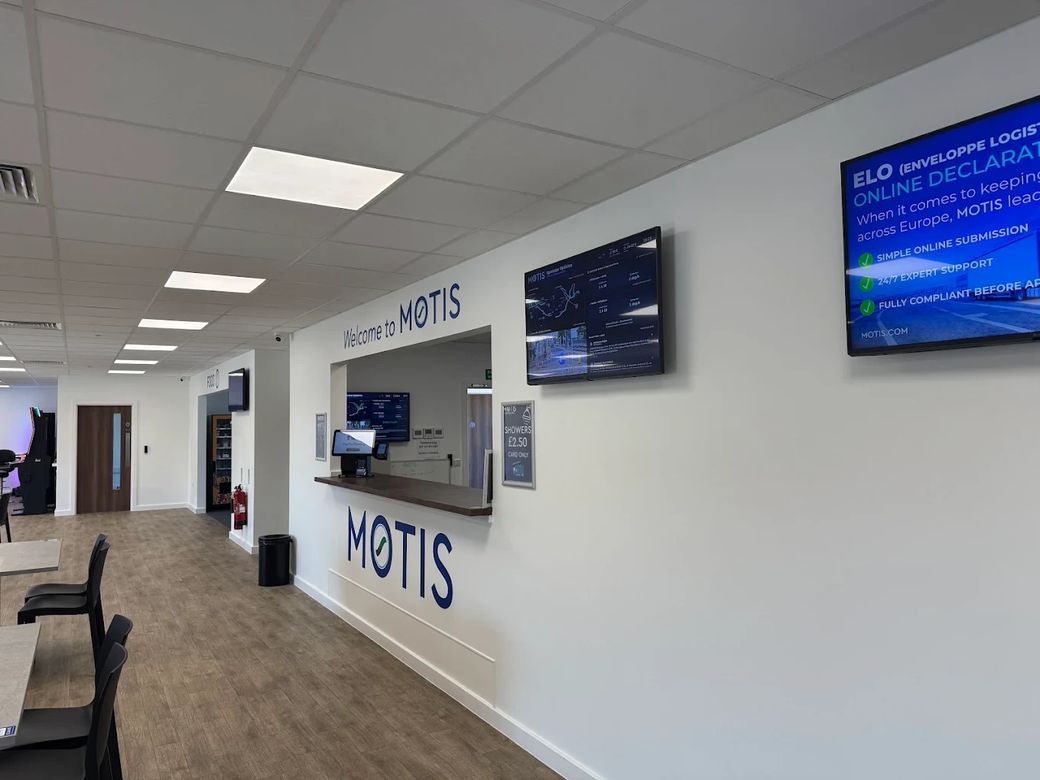 Every system for Motis Cheriton Truck ParkAccess control, CCTV, fire, aspirating smoke detection, panic alarms, PA, network and bespoke driver information screens, all from NovaRead the case study
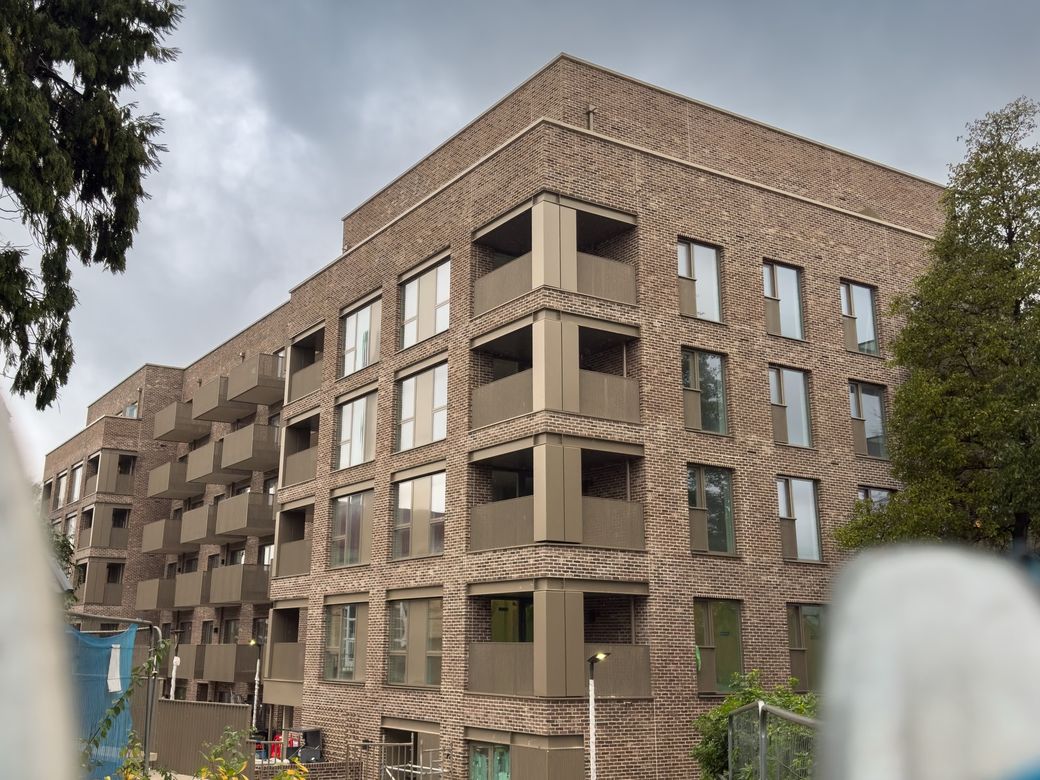 CCTV, door entry and access control for 50 apartmentsA Southwark Council development built by Guildmore: Uniview CCTV, video door entry and PAC access controlRead the case study
Get a quote for an addressable fire alarm
Tell us a little about the building and we’ll call you back within one working day. Prefer to talk? Call 01303 720282.
Or talk to us
Call the office and you’ll speak to someone who knows fire alarms. We’re at Shearway Business Park in Folkestone.
- Phone01303 720282
- WhatsAppMessage us on WhatsApp
- Emailinfo@novasec.co.uk
- OfficeUnit 3 The Regent Centre, Pent Road, Shearway Business Park, Folkestone, Kent CT19 4FL. Directions
- HoursMonday to Friday, 9am to 5pm. 24/7 support line for contracted customers (call and choose option 1).